
Choose the setup
Describe the material, reach and loading requirements. Attachments and machine size should be selected for the work rather than by name alone.
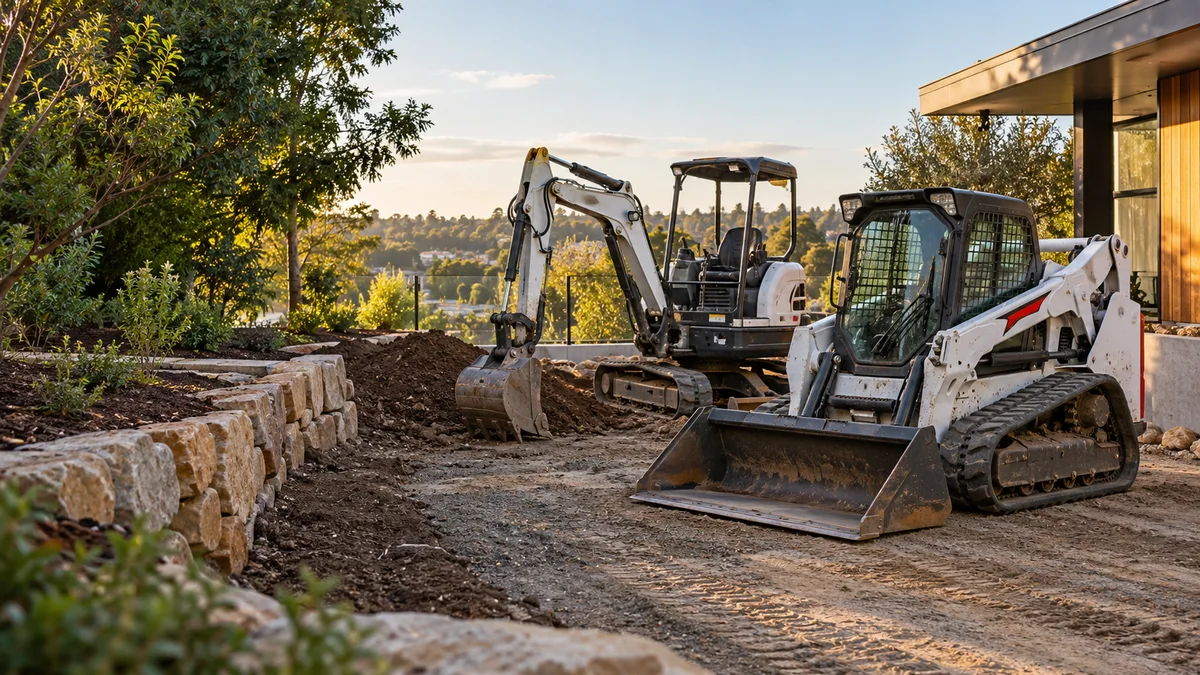
Match machinery to the job and available access, with hire arrangements, attachments, operator requirements and transport costs clarified before a booking proceeds.
Melbourne Bobcat & Digger Hire projects benefit from a clear understanding of the site, the intended finish and how the work connects with the rest of the property.
The most useful machine is the one that fits both the task and the property. Gate width, turning space and ground conditions matter as much as digging capacity.
Planning should cover machine access, underground services, soil movement, spoil removal and protection of structures or landscaping that will remain. Clear levels and an agreed finish reduce uncertainty once excavation starts. For this service, choose the setup and confirm the hire terms are useful matters to discuss when preparing the scope.
Share your property address, approximate dimensions and photos of the work area. Include the route from the street, any nearby structures and what you want the finished space to achieve.
Explore the details ↓A clear brief connects the material, the site and the final result.
Describe the material, reach and loading requirements. Attachments and machine size should be selected for the work rather than by name alone.
Availability, operator inclusion, minimum time, travel and disposal are separate questions. Wet or dry hire must be confirmed before any booking.
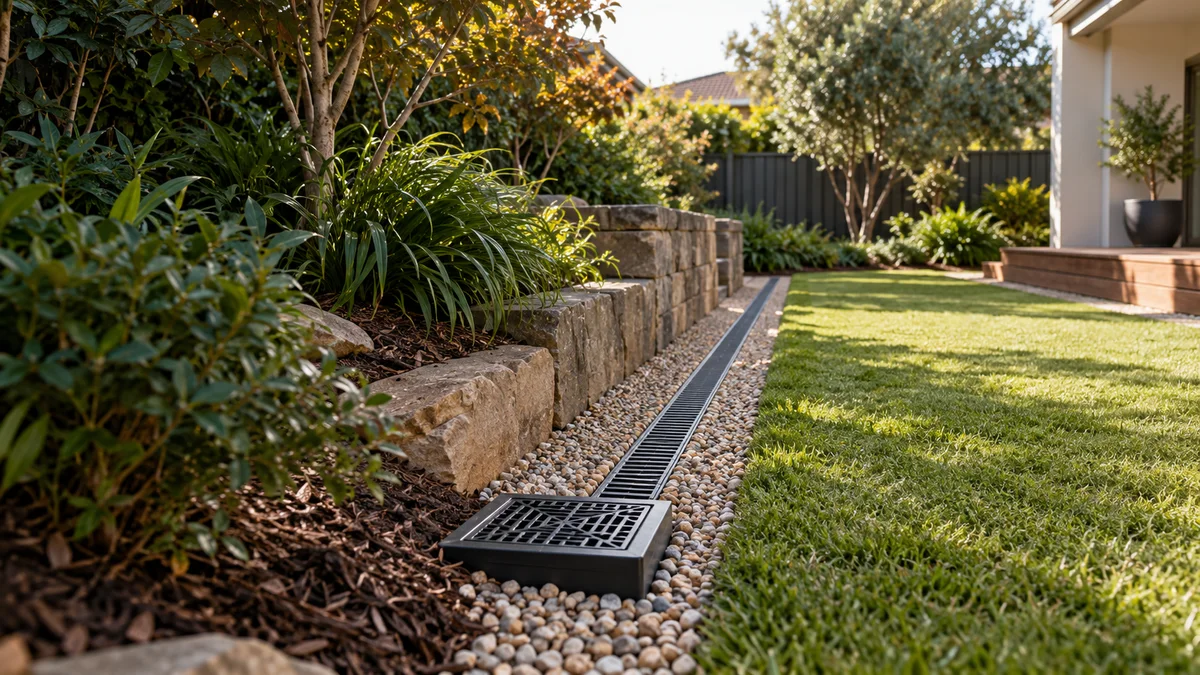
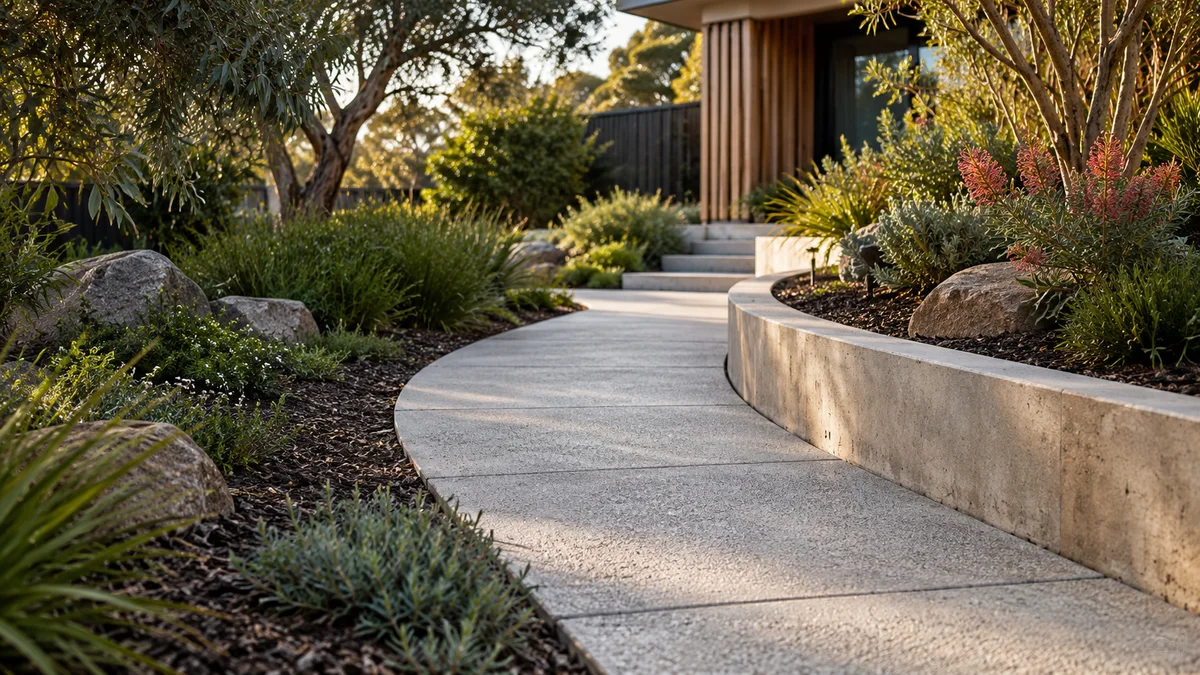
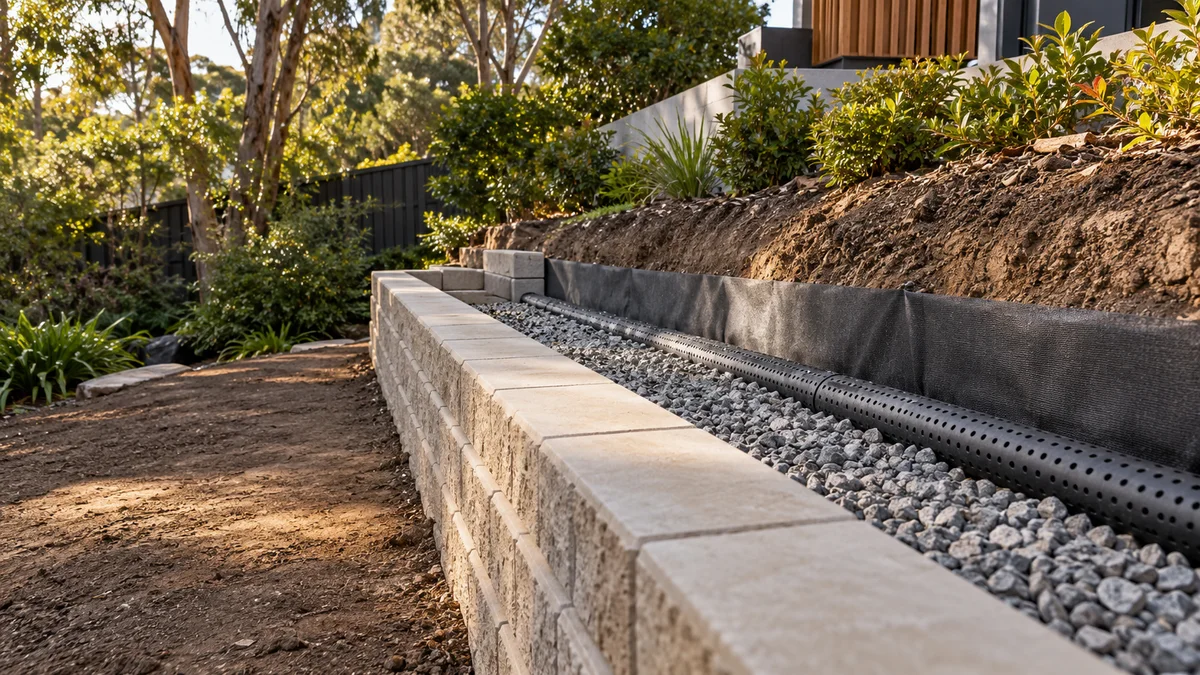
Supporting landscape and groundwork illustrations show connected project considerations, not completed work by Melbourne Retaining Walls.
Hire is easier to get right when you start with the task and work back to the machine. The same machine can do very different jobs depending on what is fitted to it.
Moving, spreading and loading loose material such as soil, mulch or crushed rock across a reasonably level site.
Less suited to digging below ground level, and turning on the spot can scuff lawn and soft surfaces.
Digging trenches, footings and holes, and loading trucks or bins where reach matters more than carrying.
Moving material any distance usually needs a second machine or many wheelbarrow trips.
Post holes for fences, pergolas and sleeper walls.
Hole size needs to match the design, and buried rock or roots can stop progress.
Breaking concrete, rock or old footings that a bucket cannot lift.
Noise and vibration affect neighbours and nearby structures, so timing and proximity need thought.
Finishing a surface to grade, or cutting a narrow, clean trench for services and drainage.
The right bucket depends on the machine and the finish required, so ask which buckets are available.
Every property has different constraints. Use these steps to prepare a useful discussion about bobcat & digger hire.
Send the address, measurements and access photos, plus any existing drawings or reports.
Discuss the options above, any design input, drainage connections and the responsibilities for approvals.
Check preparation, materials, installation, disposal and reinstatement. Agree exclusions and timing before work is scheduled.
Start planning with the details that matter.
Ask about your project ↗The hire arrangement has not yet been confirmed for this business. Ask about operator availability, required competencies and the exact inclusions when discussing the job.
For this work, choose the setup and confirm the hire terms are useful starting points. Site access, dimensions, existing conditions, disposal and any specialist requirements also need to be reflected in the scope.
Wet hire usually means the machine comes with an operator; dry hire means the machine alone, run by you or someone you engage. Arrangements vary, so raise these questions when you enquire.
With the machine alone, locating underground services and keeping the site safe may fall to you. The utility trenching guide covers how services are located before digging.
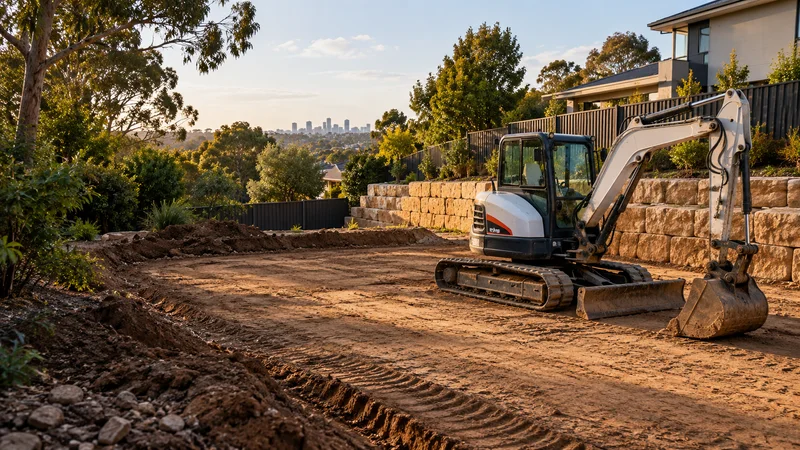
Prepare the ground around agreed levels and site constraints, considering underground services, machine access, material handling and spoil removal before excavation.
Learn more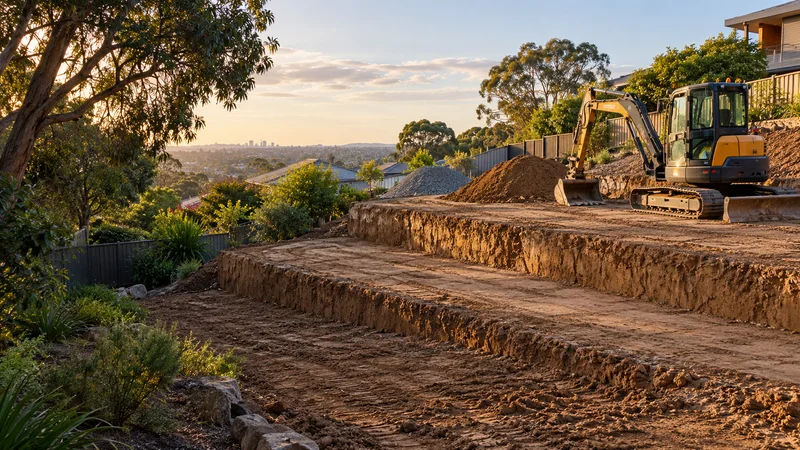
Slope excavation & levelling in Melbourne: plan terraces, finished levels, cut and fill, drainage, access and soil movement.
Learn more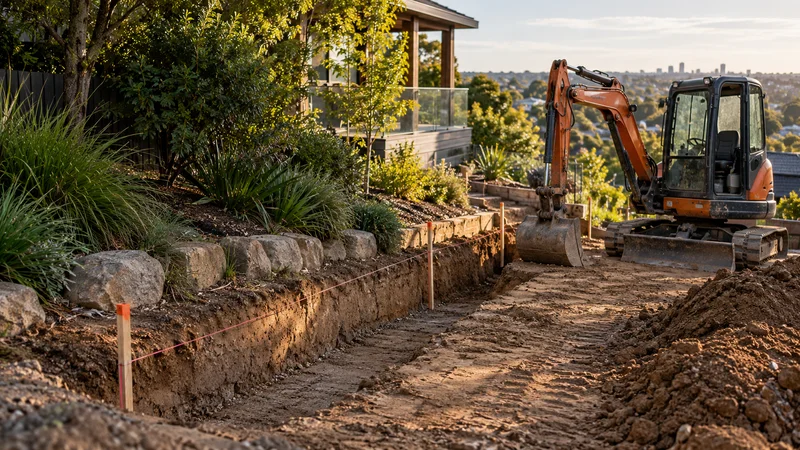
Retaining wall excavation in Melbourne: set-out, service checks, equipment access, footing preparation, spoil handling and reinstatement.
Learn more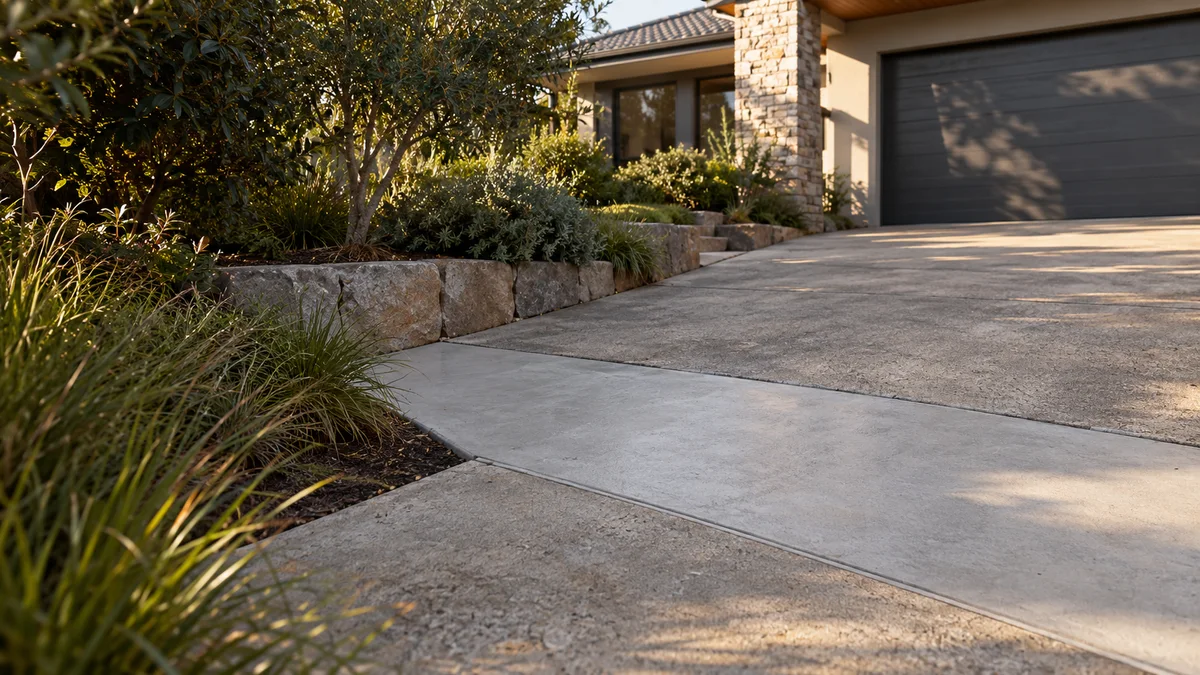
A machine that does its job well can still leave damage on the way in and out. Ground protection is worth planning as part of the hire, not after the first pass.
Tracked machines spread their load but can tear turf when they turn. Wheeled machines can rut soft ground and mark paving. Protection boards or mats laid along the access route, and a planned turning area on a hard surface, reduce the damage. Ask what protection comes with the machine and what you need to supply.
Look closely at the driveway before delivery. Cracked concrete, decorative finishes and edges near the kerb are vulnerable to heavy loads, as are the footpath and vehicle crossing outside the property. Photograph their condition first. If the ground is saturated, it may be better to wait: a wet site can suffer more damage in one day than a dry one over the whole job.
Share your ideas, your site and what you want to achieve.