
Service
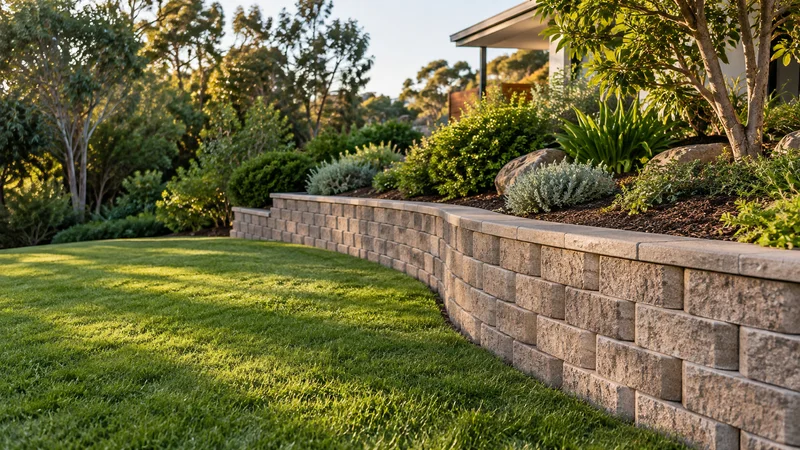
Segmental Block Retaining Walls
Compare segmental block retaining walls in Melbourne: modular units, curves, reinforcement space, capping and site preparation.
Learn more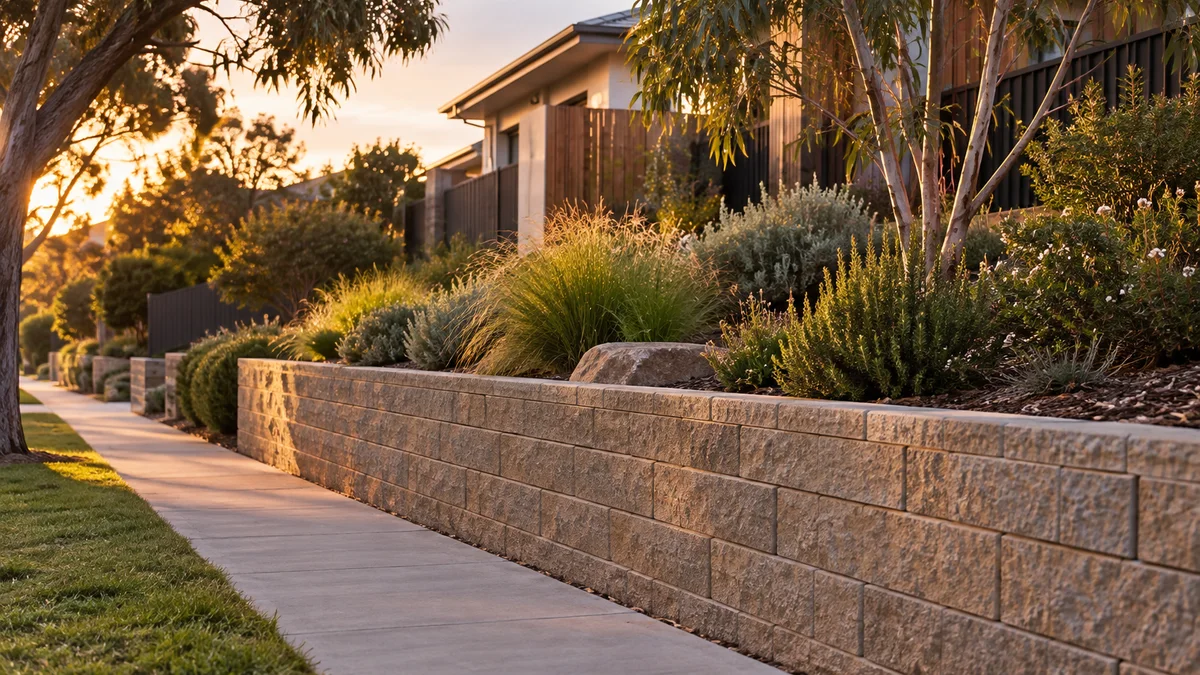
Start your Cheltenham outdoor project with a practical brief for retaining edges, drainage and connected surfaces.
Retaining Walls Cheltenham planning begins with the way your block changes level, how water moves through the property and the access available for excavation, materials and equipment.
Start your Cheltenham outdoor project with a practical brief for retaining edges, drainage and connected surfaces.
Include images showing the meeting point between the garden and existing paving. This helps define what needs retaining, replacing or matching.
Describe any recurring ponding and the weather conditions in which it occurs before selecting a drainage approach.
Explore the Melbourne directory →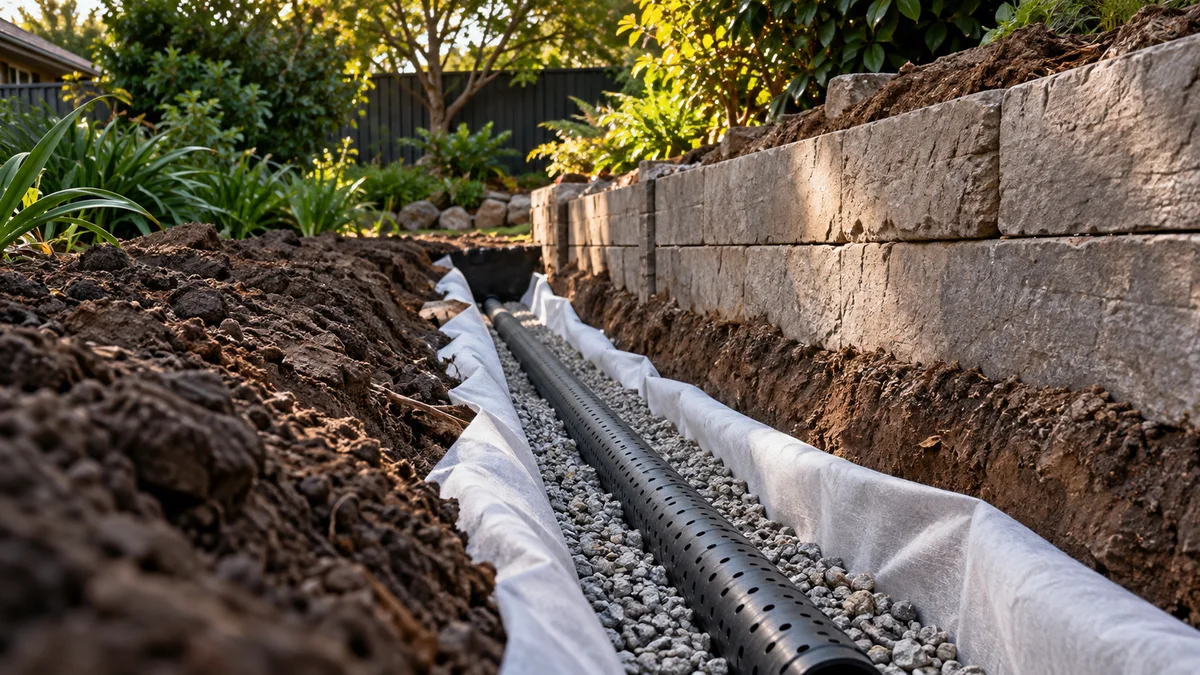
If water sits on your Cheltenham lawn or paving after rain, understanding where it comes from and where it stops is worth doing before any retaining edge is designed.
A new segmental block wall and a changed garden level alter the paths water takes. If ponding already happens, the new work could resolve it, move it elsewhere or make it worse, depending on how levels and drainage are arranged. Watching the pattern over several rain events gives a clearer starting point than a single photo.
Note whether water arrives from higher ground next door, a downpipe, the driveway or the lawn itself, and how long it lingers. Surface ponding and water moving through the ground can look similar but call for different responses; subsoil drainage explains the difference.
Compare segmental block retaining walls in Melbourne: modular units, curves, reinforcement space, capping and site preparation.
Learn more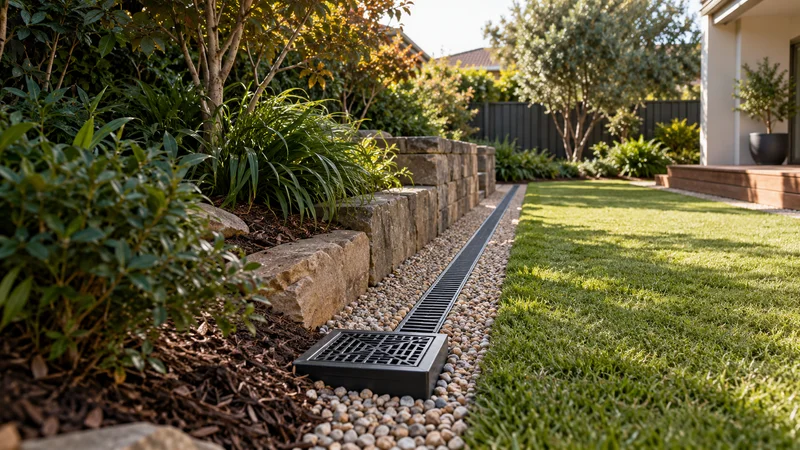
Investigate persistent wet areas and surface flow, then compare drainage and grading options suited to the way your property actually behaves.
Learn more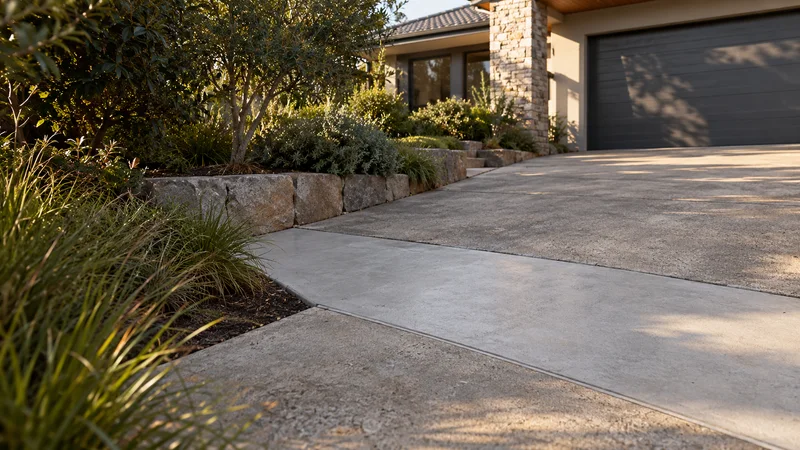
Assess cracks, surface wear and uneven sections before choosing a repair, comparing local treatment with replacement where the underlying problem demands it.
Learn moreShare the address, approximate wall dimensions and your preferred timeframe. Photos showing the proposed wall line and the route from the street help explain the site.
Include the ground on both sides of the proposed wall and any nearby building, fence or path.
Describe how you want to use the finished space, any materials you prefer and other work planned.
Availability, site assessment, design responsibilities and quote inclusions should be established before work is booked.
Where a Cheltenham garden meets an existing driveway or path, the new retaining edge has to work with whatever surface stays. These options help frame that decision.
The existing surface is sound and sits at a level that works with the new garden.
The new edge is set out around existing levels, and protecting the paving during construction matters.
Cracking or settlement is local and the rest of the driveway performs well.
An exact colour and texture match cannot be assumed, so a repair may remain visible.
The slab edge is damaged or sits at the wrong level, but the rest can stay.
Cut lines need to be marked clearly, and the new strip will read differently from the older concrete.
Deterioration is widespread, or a level problem affects drainage across the whole area.
A larger scope, but levels, falls and the retaining edge can then be designed together.
Start planning with the details that matter.
Ask about your project ↗Yes. Send your Cheltenham project address, access details and proposed scope through the enquiry form. Coverage and service availability need to be confirmed for the individual project.
Include images showing the meeting point between the garden and existing paving. This helps define what needs retaining, replacing or matching.
Share your ideas, your site and what you want to achieve.